
When the Central Bank of Nigeria (CBN) launched the eNaira in October 2021, it presented the project as a major step in Nigeria’s drive towards a cashless economy. Africa’s first central bank digital currency (CBDC) designed for everyday use is expected to facilitate payments, reduce remittance costs, expand financial inclusion and support economic growth.
Nearly five years later, those ambitions remain largely unfulfilled. eNaira has struggled to gain widespread adoption because it is not yet comfortably served by existing banking apps, fintech wallets and mobile money platforms.
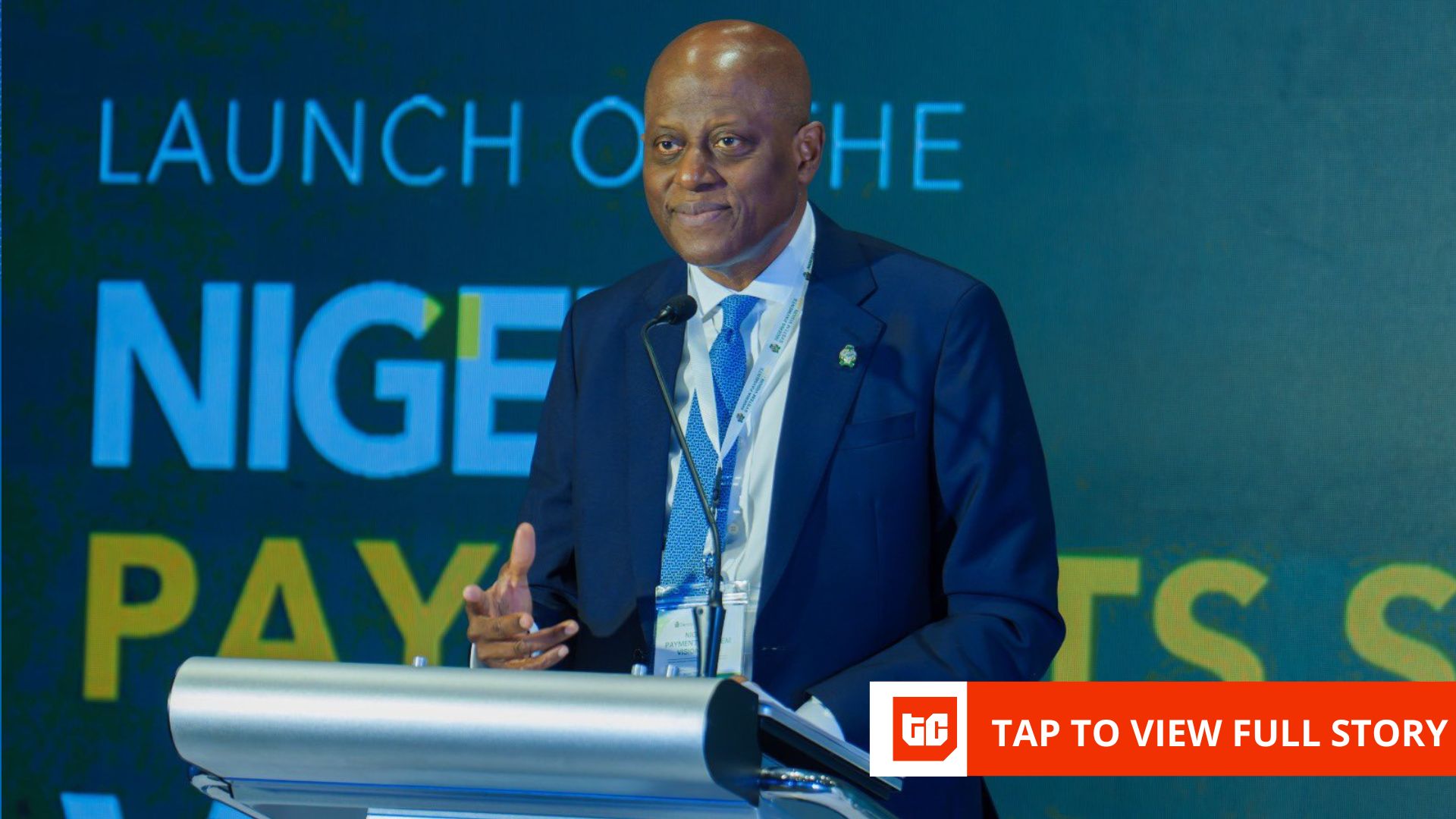
In its Payments System Vision (PSV) 2028 strategy released on June 1, the CBN signals a major rethinking of the role of the eNaira. Instead of positioning it as a standalone digital wallet competing with banks, fintechs and mobile money providers, the central bank wants eNaira to be part of the infrastructure supporting Nigeria’s digital payments ecosystem.
The strategy links CBDC to initiatives such as open banking, digital identity, cross-border payments and emerging financial technologies.
The change reflects lessons learned from the slow adoption of eNaira since its launch in 2021. As a consumer-facing payment product, it struggled to provide a compelling alternative to existing digital payment options.
eNaira’s early challenges are well documented. Access initially required a Bank Verification Number (BVN) or National Identification Number (NIN), making participation difficult for many unbanked Nigerians. Like most central bank digital currencies, eNaira is designed with strict identity verification requirements to help prevent fraud, money laundering and other illicit financial activities.
However, those requirements created barriers for many Nigerians who did not have proper identification or bank accounts, limiting the reach of the CBDC among the population it could cover.
For users who can access it, the platform offers some advantages over existing alternatives such as already widely used and trusted banking apps, USSD services, mobile money platforms and fintech wallets.
As a result, adoption was limited. Despite subsequent efforts to introduce USSD access, merchant payment tools and government-payment pilots, eNaira accounted for only a small fraction of digital transactions. Its limited role during Nigeria’s 2023 cash crunch raised questions about its practical value.
Over time, the project became one of many frequently cited examples in discussions of CBDCs struggling to achieve mainstream adoption.
CBN acknowledges many of these shortcomings in PSV 2028. According to the document, eNaira currently has “millions of wallets” and has processed about ₦22 billion ($16.02 million) in transactions.
“Adoption is slow, barriers include limited stakeholder engagement and design and implementation, limited adoption and integration motivation, limited resources and capacities for retail CBDC implementation, non-core CBN activities such as awareness generation, uptake, use case development, etc.,” the regulator said in the document.
Moving from product to infrastructure
One of the clear signals in PSV 2028 is that the CBN sees payment systems as interconnected infrastructure rather than discrete products. Throughout the document, there is a strong emphasis on interoperability, digital identity, open banking, real-time payments and regulatory innovation.
The document identifies cross-border payments and CBDC integration as strategic priorities and calls for deeper cooperation with regional and global payment networks. While the document does not provide a detailed roadmap for taking eNaira beyond Nigeria, it does indicate that future development of the digital currency will focus on supporting regional payments, remittances and cross-border trade.
PSV 2028 recognizes that technology alone will not determine the success of eNaira. Consumer trust, security, interoperability and ease of use are important challenges.
The strategy proposes stronger consumer-protection mechanisms, improved cyber security frameworks, enhanced fraud monitoring and greater integration across the payments ecosystem. These initiatives aim to strengthen trust in digital payments more broadly and create an environment where innovations like eNaira are more receptive.
Whether the strategy will succeed remains uncertain. However, it is clear that the CBN is no longer considering eNaira as a complete experiment. Under PSV 2028, the digital currency is being adapted as part of a larger effort to create a more connected, secure and interoperable financial system. The move could give eNaira a second lease of life, a project many have written off as a missed opportunity.
#CBNs #Vision #eNaira #lifeline