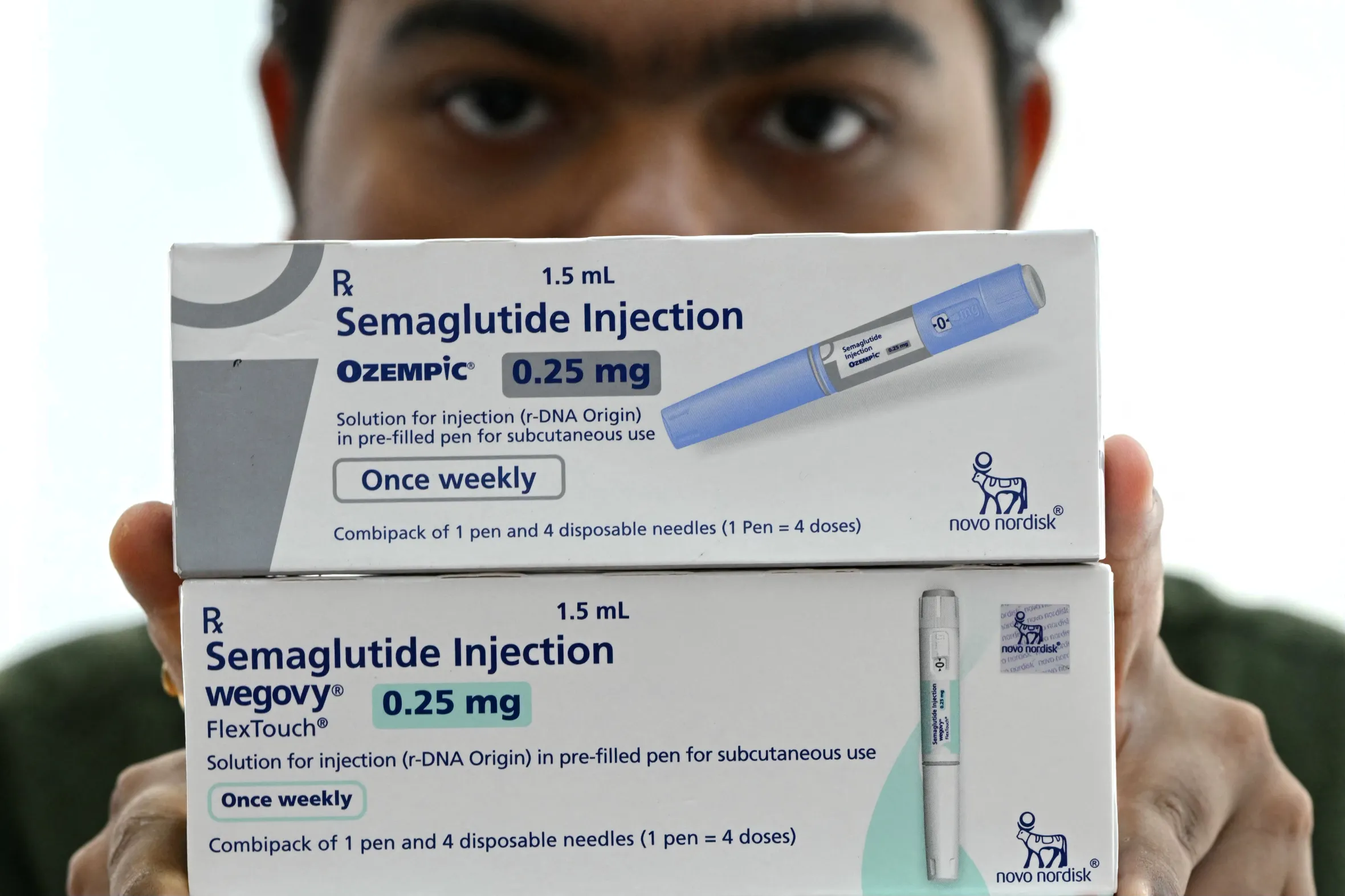
When a cancer patient suggested that she try a drug to lose weight, Anisa Iyer first learned the name Ozempic.
But then 32-year-old Iyer, a nurse at a private hospital in Delhi who has been obese for years, discovered the drug was costing £200 to £300 a month. “We’re a middle-class family,” she says. “We have no money. Only the rich can spend so much.”
That changed this month. The patent held by Danish drugmaker Novo Nordisk for semaglutide, the active ingredient in its weight loss drugs Wegovy and Ozempic, expired in India on March 20, meaning the generic drug company is free to launch cheaper versions.
Forty Indian companies are expected to launch generic versions of semaglutide. First off the block was Natco Pharma, which launched its drug the day after semaglutide went off patent, costing £12 for a low dose. Later the same day, Sun Pharma, Dr Reddy and Glenmark launched their versions, with smaller doses costing as little as £3 for a week’s supply. The highest dose will sell for around £9 to £20 for a week’s supply.
Given the cut-throat competition expected as the company vie for a massive market share, the price is expected to drop even further.
An estimated 250 million Indians are obese and the number is expected to rise to 440 million by 2050, according to the Lancet medical journal. India is also the “diabetes capital” of the world, with more than 100 million diabetics.
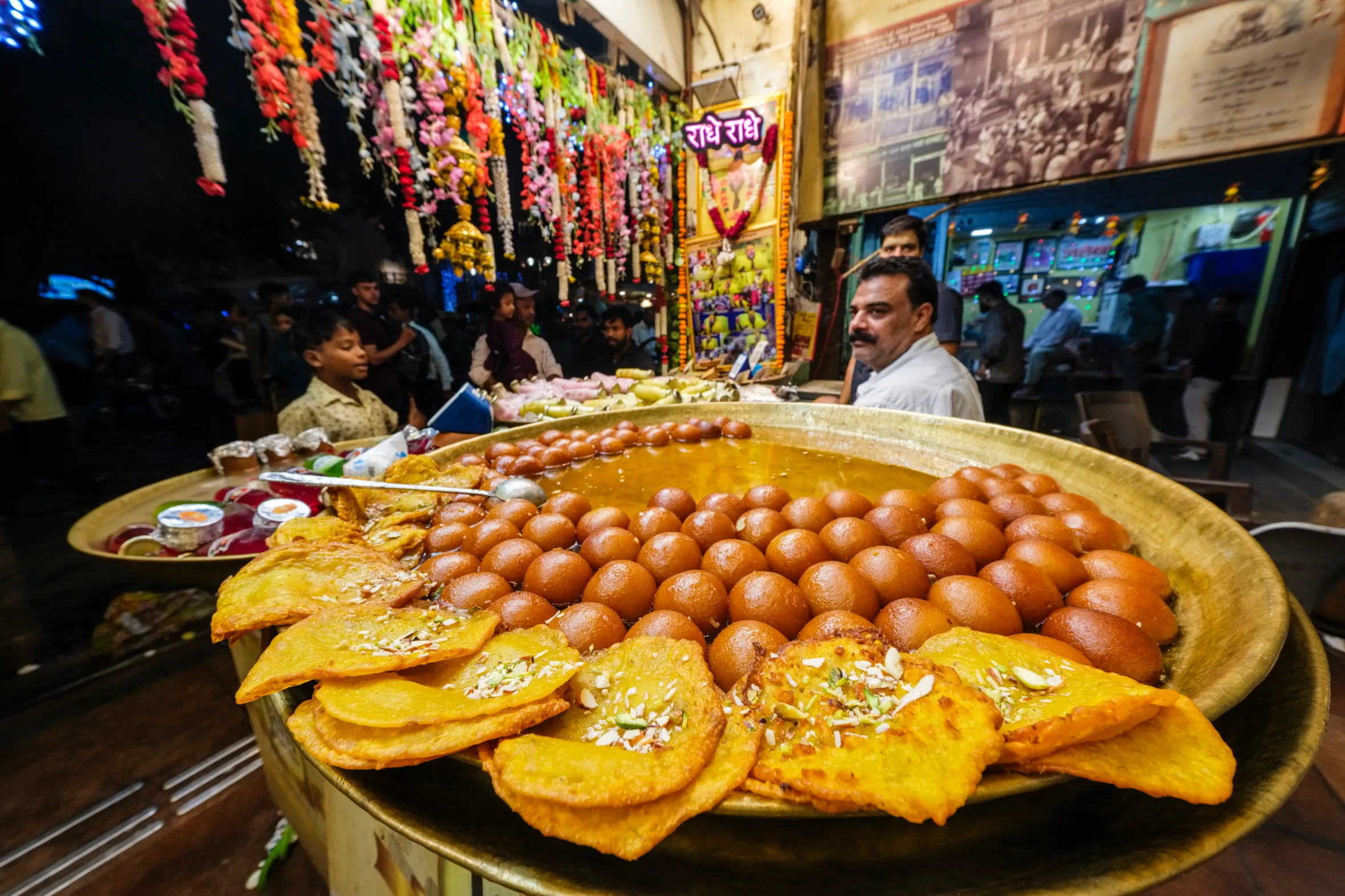
In poor countries like India, where 35 per cent of children under the age of five are undernourished, economists call the co-existence of over and undernutrition the “nutrition transition”. Meals are soaked in oil and packed with carbohydrates. The Indian penchant for sweets is deep-rooted and the love for burgers, pizzas and processed food is widespread. A sedentary lifestyle, especially in urban areas, contributes to high obesity rates.

Narendra Modi, the prime minister, was so shocked by the number of obesity that he appealed to Indians last year to “reduce the intake of cooking oil by 10 percent in your daily diet”.
For affluent Indians, the price of Ozempic or Mounjaro is not an issue. Rukhsana Mustafa, who is in her early seventies and lives in Bangalore, finally relented under pressure from her daughter, who lives in the US, and started Mounjaro three months ago. “It’s hell,” she said. “I was nauseous all day and every day for three months. When I started to feel a little better, it was time for the next injection. I stopped it. It was not worth it.
Dr. Hemant Saluja, GP in Cirebon, said: “These drugs are quite new and scientific data on the impact they can have, say ten years down the line, is not there. Just because the patent has expired, it does not mean that the drug is safe and this drug, moreover, is for life.”
However, Anoop Jain, a PR consultant, said that for him the long-term effects are irrelevant. “Ozempic has done wonders for me,” he said. “It’s controlled my diabetes to perfection and the added benefit of losing weight has been reducing my joint pain and just making me feel better in general. Long term, well, what does long term mean to me? I’m 67 years old.”
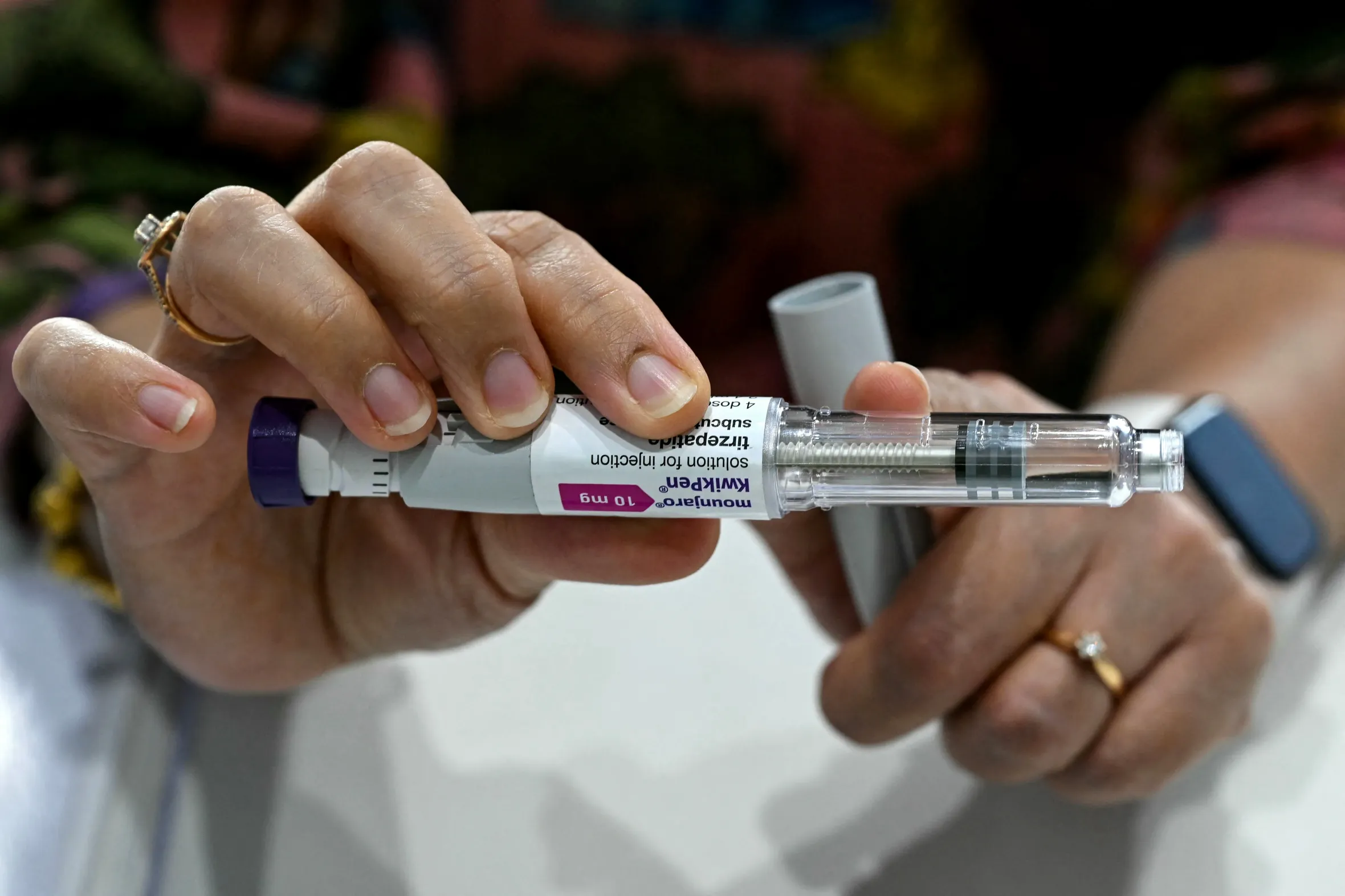 Indranil MUKHERJEE/AFP/Getty Images
The expected drug boom raises questions about abuse as many chemists ignore rules against supplying certain drugs without a prescription.
Dr Ambrish Mithal, a renowned endocrinologist, says misuse is rampant. “Government guidelines say only doctors and endocrinologists can prescribe this drug,” he said. “Portugal has made a rule that only specialist doctors can prescribe it and we also have to strictly enforce the regulation now that the general version is being rolled out.”
He says he’s noticed that people tend to think they can monitor the effects of drugs on their own, without medical supervision. “But this is not a cosmetic agent. It is a powerful drug, not a magic pill.
“They need strict monitoring and supervision according to the patient’s condition and parameters. But people come to me who are not diabetic or obese but want to lose weight for cosmetic reasons – for a wedding, or a special event.
One of his patients, he said, had doubled the dose against his advice because he wanted to lose weight even faster. “He ended up in an emergency. Patients think they can determine their own conditions.”
Overall, though, he welcomed the new generic drug. “Millions of Indians who need to control their diabetes or obesity do not have access to these drugs,” he said. “They will benefit greatly. These drugs have been game changers around the world and they will also be game changers in India.
#million #obese #Indians #weight #finally