Scientists have discovered a potential drug combination that could boost a popular weight loss treatment for older women.
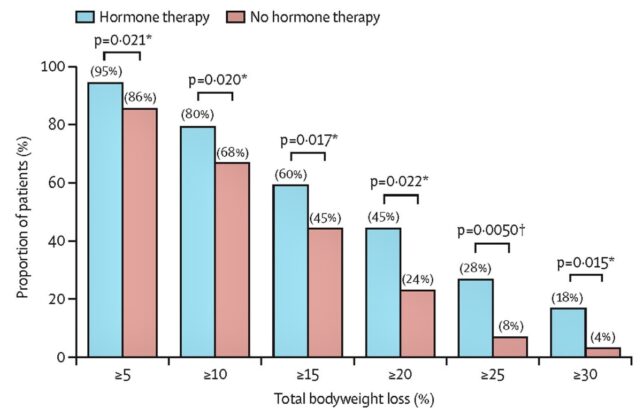
In a small retrospective study of women taking varying doses of tirzepatide for weight loss, after 15 months of treatment, participants who also used menopausal hormone therapy experienced 35 percent more total body weight loss than those who did not use hormone therapy.
For the study, scientists at the Mayo Clinic and Wayne State University in the US collected health data from 120 women, the majority of whom were White, and aged 50.
Eighty participants used tirzepatide only for weight loss, and 40 used tirzepatide as well as any type of menopausal hormone therapy, with data tracking their health for an average of 18 months.
On average, women on both tirzepatide (a GLP-1-based drug sold under the brand name Zepbound or Mounjaro) and hormone therapy lost 19.2 percent of their initial body weight, while those taking only tirzepatide lost an average of 14 percent. That 5.2 percentage-point difference is statistically significant.
A greater proportion of people taking hormone therapy achieved 30 percent or more total body weight loss.
The authors of the current study hope to conduct a controlled, randomized study on the combo to see if this apparent drug synergy exists in research and is real. cause great weight loss.
These initial findings about tirzepatide follow a 2024 study, authored by some of the same Mayo Clinic researchers, which found that after 12 months, a greater proportion of postmenopausal women who used semaglutide and hormone therapy achieved 10 percent or more total body weight loss than those who only took GLP-1 drugs.
“The severity of these differences warrants future studies that may help clarify how GLP-1-based obesity treatments and menopausal hormone therapy may interact,” said lead author and women’s health researcher Regina Castaneda at the Mayo Clinic Center.
Menopause occurs when menstruation stops, and it is a monumental transition that causes widespread changes and hormonal changes that sweep through the body and brain. The transition and after effects can lead to a whole host of unpleasant physical symptoms, including fatigue, hot flashes, night sweats, poor sleep, and low libido.
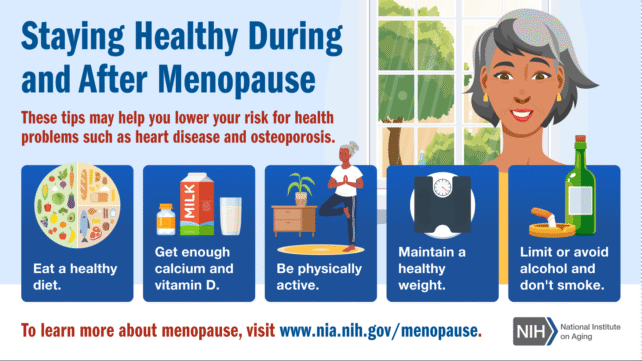
Menopausal hormone therapy can be used to manage these challenges, and it may offer some protection from menopause-related illnesses, such as osteoporosis and possible heart disease. Medicines usually come in pill, patch, or topical form, and aim to replace some of the hormones the body is missing, such as estrogen or progesterone.
While some studies show that menopause replacement therapy can help prevent weight gain in later life, it is unclear if or how they can promote weight loss.
Menopause as a whole has historically been underfunded and under-researched. Plus, GLP-1 drugs are a relatively new drug class that scientists are still trying to understand.
What we do know is that weight gain is common in pre- and post-menopausal women, and it’s also common in those with reproductive problems that affect their ovaries and uterus.
Patients with polycystic ovary syndrome, for example, are more likely to experience insulin problems, which can increase the risk of type 2 diabetes and lead to weight gain.
The current study did not distinguish between the type or dose of hormone therapy, analyzing them as a single group.

In October 2025, Castaneda spoke at the Menopause Society Annual Meeting about her team’s latest results and how much more we have to learn.
“Millions of women struggle with being overweight during middle age, and the reality is we don’t know what the answer is,” she says.
“We do not know why we are observing this superior weight loss results in women using tirzepatide in addition to hormone therapy”.
Castaneda points to early research in rodents, which found that estrogen treatments can enhance the body’s natural GLP-1 signaling system. But the results are not consistent, and there are other explanations, as endocrinologist and senior author Maria Daniela Hurtado Andrade explains.
“It is possible that women who use hormone therapy have engaged in healthier behaviors,” said Hurtado Andrade, “or that menopause symptoms eliminate sleep and quality of life, making it easier to keep active dietary changes and physical activity.”
Related: Drugs Like Ozempic Can Help You Lose Weight, But There’s a Count
The only way to know for sure is to conduct rigorous clinical trials on drug combos.
In the future, Hurtado Andrade said that he and his team intend to conduct a randomized controlled trial to see if the benefits of menopausal hormone therapy “extend beyond weight loss – in particular, whether hormone therapy also enhances the effects of these treatments on cardiometabolic measures.”
“If confirmed,” he said, “this work could accelerate the development and adoption of new evidence-based strategies to reduce this risk for millions of postmenopausal women navigating this stage of life.”
This study was published in The Lancet Obstetrics, Gynecology, & Women’s Health.
#Unexpected #Drug #Combo #Lose #Weight #Older #Women