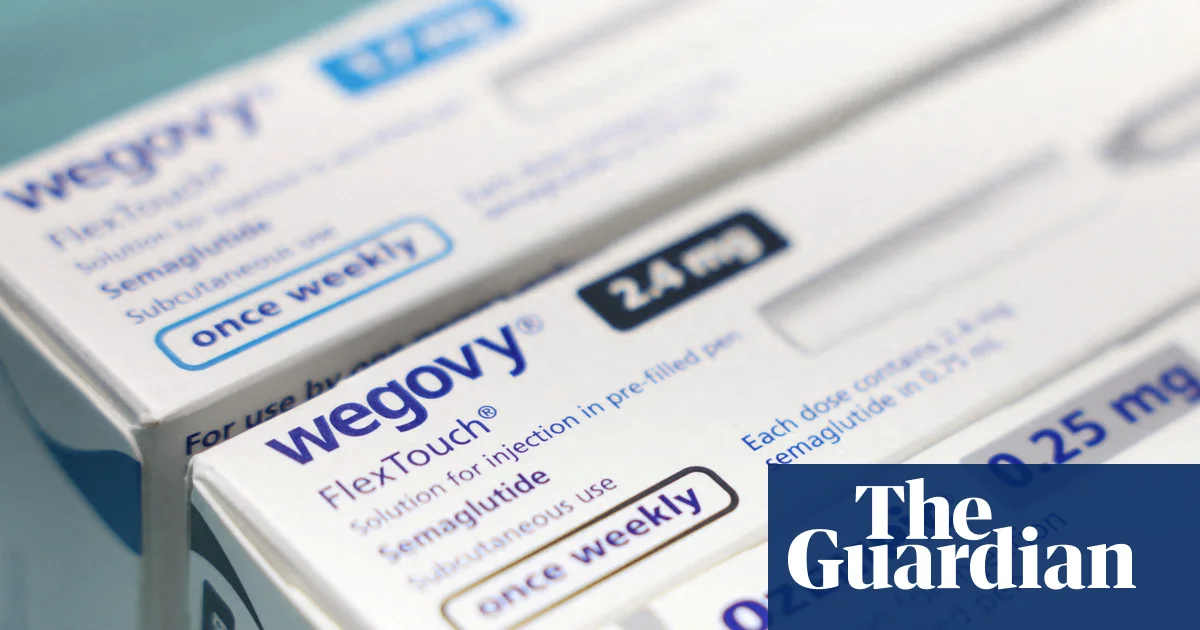
The NHS in England offers more than 1 million people weight loss drugs to reduce the risk of heart attack and stroke.
Semaglutide (Wegovy) is already available over the counter for some people living with obesity, and is also offered under the brand name Ozempic to treat type 2 diabetes.
Now people who are not obese but are overweight and at risk of serious cardiovascular events will also be eligible for weekly injections, after the watchdog gives the green light.
The National Institute for Health and Care Excellence (Nice) states that people with a body mass index (BMI) score of 27 or higher who have had a heart attack, stroke or serious circulatory problems in their legs should be offered semaglutide to prevent life-threatening cardiovascular events.
NHS England says around 1.2 million people could benefit.
Semaglutide is best known as a weight loss drug. But the Nice recommendation is specifically to prevent heart attacks and strokes
The weekly injection will be an additional treatment, offered on top of drugs people are already taking, such as statins, and alongside a calorie-reduced diet and increased physical activity for people at high risk of serious events.
Clinical trials found that semaglutide reduces the risk of heart attack, stroke or cardiovascular death.
Crucially, this benefit was seen before significant weight loss occurred, suggesting the drug works directly on the heart and blood vessels, not just through weight loss, said Nice.
The Guardian reported last year how the largest study of its kind, led by University College London (UCL), found semaglutide cut the risk of heart attack or stroke regardless of how many kilograms people lost.
The findings, published in the Lancet, suggest that the drug can have a wide range of benefits for patients beyond weight loss, so it should not be limited to the most obese patients.
Previous analysis found semaglutide reduced the risk of major cardiac events by 20%. In October, researchers said they have now found that benefits are seen regardless of how much weight people lose while taking the drug.
On Wednesday, Helen Knight, director of drug evaluation in Nice, said the evidence from the UCL study was “encouraging”. It showed that people taking semaglutide with existing heart medications were “significantly less likely” to have another heart attack or stroke, he added.
“We know that people who have had a heart attack or stroke live with the real fear that it could happen again. Today’s decision gives thousands of people in that situation an extra layer of protection, on top of the medicines they are already taking.
“Our role is to help practitioners get the best care for people while ensuring value for the taxpayer, and we believe these strict, transparent recommendations strike the right balance between clinical effectiveness and the use of limited NHS resources.”
The Nice green light is a draft guidance. But NHS England officials said a new group of people eligible for semaglutide would be able to access the drug “within months”.
Helen Williams, NHS England’s clinical director for cardiovascular disease prevention, said: “For more than a million people at high risk of heart attack and stroke, this treatment on the NHS could be life-changing – offering powerful new ways to protect their heart and improve their health.
“We know that people who have had a heart attack or stroke face a much higher risk of having another. Used together with a healthy diet and regular exercise, semaglutide can help prevent thousands of major cardiovascular events in the future and give many people a chance at a longer and healthier life.”
Sharon Hodgson, the health minister, said the weight loss drug was a “gamechanger” and giving it to people at risk of heart attack and stroke would be a “lifesaver”.
Dr. Sonya Babu-Narayan, clinical director of the British Heart Foundation, said semaglutide has proven benefits “beyond reducing the number on the scale” and weight loss drugs are now considered “important drugs” to prevent cardiovascular events.
Prof Naveed Sattar, lecturer in cardiometabolic medicine at the University of Glasgow, said: “This is really good news and comes directly from high-quality trial evidence.
“We now have drugs that not only reduce heart attacks, strokes and peripheral artery disease but also lead to significant weight loss – which in turn reduces the risk of many weight-related conditions. These drugs also improve the quality of life of patients in a meaningful way, making this a real win-win.”
Riyaz Patel, a lecturer in cardiology at UCL, welcomed the move but said there were questions about whether the NHS had the capacity to offer the drug to so many people.
“Overall, this is a very good development, both for patients and doctors, giving us a powerful tool to reduce CVD [cardiovascular disease] risk.”
#NHS #England #offering #weight #loss #drugs #1.2m #people #reduce #risk #heart #attack #stroke