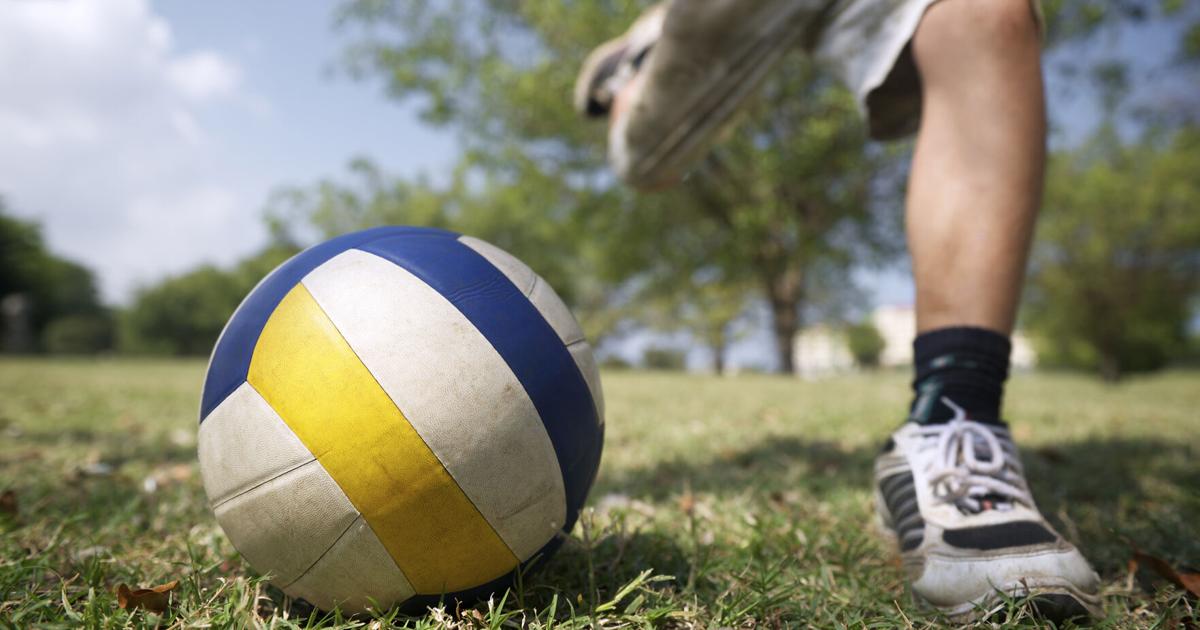
A hectic schedule, especially when the spring sports season begins, can throw a wrench into family meal planning and can encourage families to rely on quick and less nutritious options.
The American Academy of Pediatrics offers guidance to help busy families eat and drink better before, during and after playtime.
Preparing nutritious meals ahead of time can save busy families time and money. Preparing meals that can be frozen and reheated later or slow cooker meals can provide healthy meals without adding a huge chore to the list.
Eating frequent small meals and snacks can help spread calories throughout the day and avoid large meals close to exercise. If your entire evening is spent on the ball field or on the road, loading up on food and taking it with you is another practical option. No matter how long you are going out for, try to have a piece of fruit or a healthy protein or nut bar with you.
Eating every 3 hours will help keep your child’s blood sugar stable and also reduce overeating at mealtimes. For some children and teenagers, lunchtime is scheduled early in the day. Families should consider making nutritious snacks available an hour or more before sports practice so children and lunch time earlier have energy available for fuel activities.
This can extend single-serve snacks in the car while out running errands. Single-serve snacks such as sliced fruit or nuts can be pre-packed while handheld fruit such as apples can be taken on the go. If you are looking for a handheld option, consider granola bars, but be aware of the possibility of increased hidden sugar content.
Creating a hydration and fueling strategy can help on less hectic days. Children who participate in light activity for 1 hour or less may not need to snack before and after exercise. Instead, help these children focus on good nutrition every day.
Older, more active children can benefit from a larger fuel and hydration plan that provides what they need most before, during and after physical activity.
About 3-4 hours before training, young athletes should eat a carbohydrate meal with a moderate amount of protein such as rice and chicken and vegetables. These small meals should be low in fiber and fat, as these can cause an upset stomach. A 70-pound child should drink around 8-10 ounces of water around 2-3 hours before exercise while teenagers or adults should have 12-20 ounces of water. Drinking an extra 6-8 ounces right before a workout can also help.
During exercise, hydration is key. Encourage them to have small amounts of fluid, about 3-4 ounces, every 15 minutes. For activities of less than an hour, water is enough. For activities longer than 1-2 hours, or in very hot environments, sports drinks can help with carbohydrates and electrolytes, but be aware of the sugar content.
Within 30-60 minutes after exercise, it is important to replenish lost fluids and refuel with the right energy sources. Focusing on foods rich in carbohydrates and protein will help build and restore muscle. Chocolate milk is an excellent example of a recovery drink, and crackers with cheese can provide both carbs and protein for recovery.
When it comes to energy, athletes need more when they are more active than normal such as tryouts, tournaments, and some sports or overlapping. It is important to encourage and plan specifically for extra food and fuel during this period. Snacks that combine carbohydrates like crackers with some protein like peanut butter are the most energy efficient.
With busy schedules, sitting down to eat as a family can be difficult and lead to feelings of guilt. Get rid of that guilt and remember that family meals may not be every day. That’s OK! Maximize your family meals when they can happen and adjust times when everyone is more likely to be at home. Your family meal doesn’t have to be dinner when after school activities or late nights at work get in the way. Why not make breakfast for your family? It’s more likely that everyone will be home at the same time in the morning, which means it’s easier to get everyone at the table for a healthy meal and family bonding.
Sometimes, the best option for busy families is to stop at a restaurant for dinner. It’s important for the whole family to make choices that will help you feel better when you sit down at a restaurant or go to a fast food counter. Look for whole grains, fruits and vegetables, and words like steamed, baked, poached, roasted, broiled or grilled. Do your best to avoid foods that use soy sauce, au gratin, crisp, escalloped, pan-fried, fried or stuffed as these can indicate high levels of fat and calories.
There is no magic food or supplement that can transform an average athlete into a superstar. No matter how old your child is, the most effective way to improve sports performance is to pay close attention to the basics: fluids, calories, exercise, conditioning and the rest.
A balanced diet provides a mixture of carbohydrates, proteins, and fats and important micronutrients-calcium, vitamin D, vitamin B, iron, zinc, magnesium, and antioxidants like vitamin C. These are all important for bone health and immune function. Eating either too many or not enough calories can contribute to fatigue, injury, illness, poor performance and prolonged recovery from sports injuries.
____
Sarah Kinsella MD, CAQ, FAAP is a sports medicine physician at Fairview Sports and Orthopedic Care in Blaine, Minnesota. In the American Academy of Pediatrics, he is a member of the Sports Medicine and Fitness Council.
©2026 Tribune Content Agency, LLC.
#Pediatrician #Sports #nutrition #busy #families #busy #lifestyles