The Atlanta Women’s Foundation conducted research that showed homelessness, childcare constraints and access to health care strongly factor into one’s mental health.
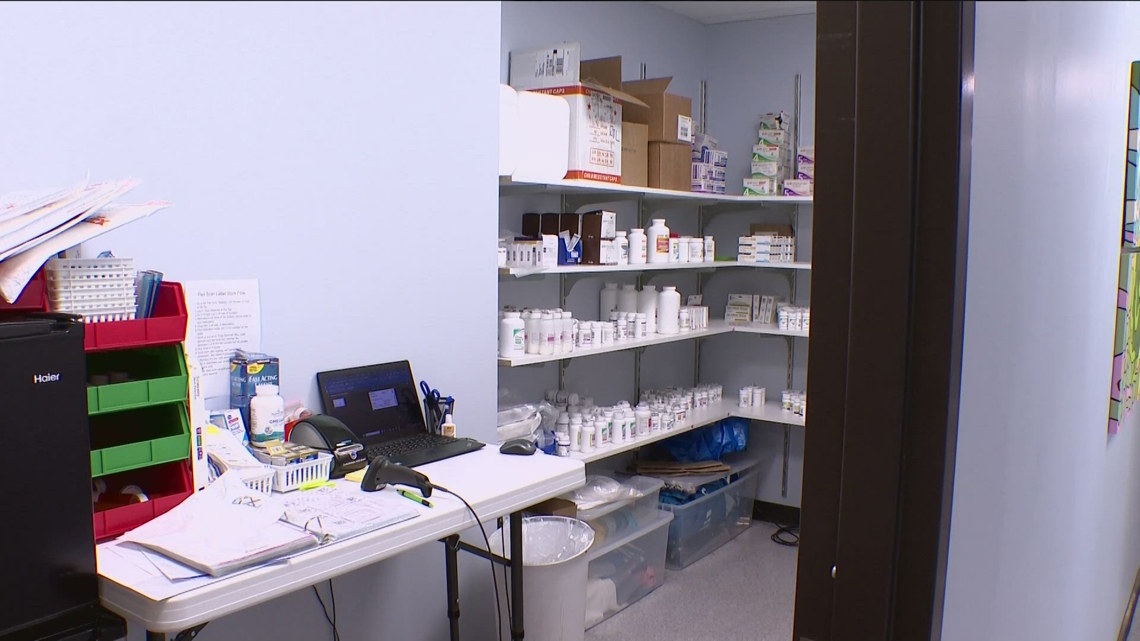
ATLANTA – When emergency rooms are full and there’s nowhere else to go, patients can turn to the Atlanta Urban Clinic. Executive Director Susan Whatley said the clinic typically sees about 900 patients at two locations, on Cleveland Avenue and in Clayton County at the Good Shepherd Clinic.
“We’re a free clinic for uninsured and low-income people,” Whatley said. “All of our patients are uninsured and 200% or below the poverty level.”
Whatley said most patients appear to have jobs, but they often don’t receive health care benefits, only work part-time, or they’re between jobs.
“Georgia has a very high uninsured rate because it’s one of the states that didn’t expand Medicaid, so a lot of patients fall through the cracks,” Whatley said. “They don’t qualify for Medicaid, but they don’t have enough money to afford insurance.”
Urban Clinic offers free primary care, imaging, referral, transportation, medication and mental health services. The main location has a physician and nurse practitioner, while two physician assistants handle surgeries at the Clayton County location. Providers rely on a number of volunteers as well.
“This is only primary care services such as treating depression, hypertension, high cholesterol, but then began to realize how much all these things affect it. Mental health affects it,” said Whatley. “A lot of times, they’re just taking care of the problems that arise instead of getting preventative care or chronic disease management. So they go to the ER because they have a headache, but really, the headache is because of high blood pressure. So the emergency room will give them 30 days of meds and then they’re out again. It’s this cycle, it goes on and on.”
Whatley said the tendency to seek out the emergency room as a primary resource for health care can lead to wait times and prevent others from seeking care.
The Atlanta Women’s Foundation recently released a study showing provider shortages, insurance limitations and transportation barriers are behind more than half of delays or cancellations for mental health appointments. CEO Kari B. Love said the foundation plans to use the data to invest in nonprofits addressing mental health struggles.
“Before a woman can enter the path of economic self-sufficiency, she must be healthy,” Cinta said. “Awareness for mental health has come a long way. There was a time when no one wanted to talk about mental health issues. People are willing to talk about it now. There is more need than service providers.
Love said women affected by poverty are twice as likely to have issues and struggles such as depression, anxiety or substance abuse.
Meanwhile, Whatley and The Urban Clinic are in the process of receiving a grant from the Atlanta Women’s Foundation. Whatley said the clinic will hire counselors to address more mental health.
“Our patients are working, but they’re just stressed, which leads to mental health issues,” Whatley said. “A lot of this is because of economic problems, job insecurity, the stress of raising children, sometimes with help and sometimes without help. They’re already overstretched doing what they’re doing, so they don’t have time or money to see a mental health provider.
Whatley said she plans to be part of the solution to help restore families’ mental health.
#Atlanta #study #shows #access #healthcare #contributes #mental #health #challenges