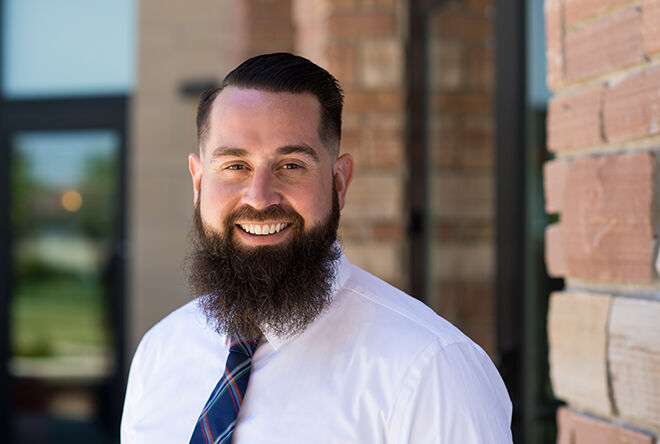
By Ryan M. Burkhart
The US is currently in the midst of a mental health crisis, and in Colorado, more than 28% of residents live with a mental health condition. Unfortunately, the vast majority of Colorado residents are currently locked out of the state’s mental health care system due to critical workforce shortages, where our treatment network is unable to meet the increased demand.
Behind these numbers are real people: teenagers wait months for counseling after a suicide attempt; parents allot therapy sessions because their child’s provider no longer accepts insurance; rural senior driving hours for appointments. For too many Coloradans, the system fails them by the time they seek help.
A recent report released by one of the nation’s leading mental health advocacy organizations, Inseparable, revealed the state of Colorado is only meeting 34% of its mental health workforce needs, leaving many patients seeking more expensive care out of network, or even forgoing care altogether.
When timely care cannot be achieved, the consequences can cascade through families and communities, leading to job insecurity, housing displacement and increased physical health costs. This lack of timely care can also overburden schools, law enforcement, emergency rooms and other public services statewide.
When treatment is delayed, mental health conditions can worsen. Anxiety can turn into panic disorder. Depression can deepen into a crisis. Substance use may increase. Early intervention is not only clinically effective, but also cost effective. Every barrier to access delays care and increases the likelihood of an individual requiring more intensive, more expensive and more disruptive care later.
Colorado’s labor shortage is not inevitable. They are largely the result of burdensome requirements, misguided policies and insurance practices that make it difficult for mental health professionals to both enter and stay in the field. State lawmakers must enact policies that build a strong workforce pipeline and support the state’s mental health professionals today, which will expand access to mental health care for all of Colorado.
A major problem contributing to our mental health workforce shortage is wage discrimination or the gross undervaluing of our mental health providers who are routinely paid less than their medical counterparts. Here in Colorado, for every dollar a physician’s assistant earns, a therapist earns only 74 cents. That pay gap — not to mention sky-high education costs and unpaid clinical hours — keeps health care professionals out of the field.
Fortunately, there are concrete policy steps Colorado can take to address the mental health workforce shortage. The same report that documents the severity of the problem also provides a road map for our policy makers. Among its many policy recommendations, it includes clear actionable ways to modernize training, streamline credentials, remove financial barriers to entry and retention, and expand the spectrum of recognized providers.
I believe our legislature recognizes the severity of the mental health workforce shortage in our country and wants to do something about it. In fact, there is currently a bill before the state legislature that would make these steps possible. This bill (HB 26-1002) would require insurers and Medicaid care plans to maintain accurate provider directories, credential mental health and substance use disorder providers faster, and reimburse licensed providers they oversee – so more Coloradans can find and access in-network care. The bill has passed the House and is now moving through the Senate. We are optimistic that it will pass and go to Governor Jared Polis for his signature.
Although HB 26-1002 is a critical piece of legislation that will make a significant difference for Coloradans, I want to make sure my representatives in the legislature are equipped with the full range of policy solutions available to us so I will send them a copy of this report. I encourage you to do the same. Right now, Colorado is leaving thousands of residents locked out of the care system. It shouldn’t be like that. We need sustained commitment from state leaders, and accountability from voters who understand mental health access is essential infrastructure, not an optional add-on.
The stakes are high: without urgent action, we risk further isolating vulnerable communities, widening health disparities and allowing our country’s mental health crisis to deepen. It’s time for policymakers to act and build a stronger, more resilient mental health care workforce for all Coloradans. Our choice. Let’s make it right.
Dr. Ryan M. Burkhart is executive director of the Counseling Association and dean of the School of Counseling at Colorado Christian University.
#Lawmakers #hold #key #solving #Colorados #mental #health #crisis #opinion